Museveni Postponed Martyrs day celebrations over Ebola threat

Museveni Postpones Martyrs Day Celebrations over Ebola Threat
By Editor
National
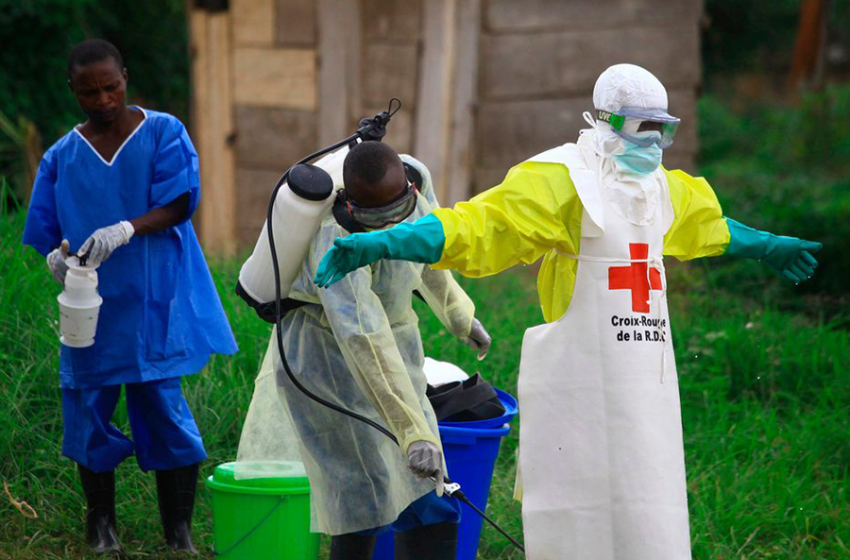
President Museveni has announced the postponement of this year’s Uganda Martyrs Day celebrations, citing fears of Ebola transmission from the neighboring Democratic Republic of Congo (DRC).
The decision, made after consultations with health experts and religious leaders, is intended to prevent a possible public health crisis as thousands of pilgrims from across the region prepare to travel to the Namugongo shrines for the annual June 3 commemoration.
In a statement addressed to the nation and Uganda’s youth, whom he often refers to as the Bazzukulu, Museveni said the protection of lives must take priority over the historic religious gathering.
“After consultations with the national epidemic response task force and religious leaders, we have decided to postpone the Martyrs Day celebrations to a later date, which will be communicated,” Museveni said.
The President explained that the large influx of foreign pilgrims, especially from eastern DRC where Ebola cases have been reported, posed a major health risk.
“This decision was made because Uganda receives thousands of pilgrims annually from Eastern Congo, which is currently experiencing an Ebola outbreak. To safeguard everyone’s lives, it is essential that this important event be postponed,” he added.
Museveni also appealed to pilgrims who had already started their journeys to immediately suspend their travel plans and return home.
“I encourage those who had begun their journey to return home, continue observing the precautionary measures, report anyone who is sick, and encourage those who are ill to seek medical care,” he said. “We regret any inconvenience caused, but the protection of life must come first.”
Uganda Martyrs Day is observed every June 3 in remembrance of the 45 Christian converts who were executed between 1885 and 1887 on the orders of Kabaka Mwanga II of Buganda after refusing to renounce their faith.
Held annually at the Namugongo Catholic and Anglican shrines in Kampala, the event is among the largest religious pilgrimages in the world, attracting more than two million faithful from Uganda and across East and Central Africa, including pilgrims from Kenya, Tanzania, Rwanda, Burundi and the DRC.
Health officials have repeatedly warned that cross-border movement from the DRC remains one of Uganda’s biggest vulnerabilities in preventing the importation of Ebola and other viral hemorrhagic fevers.
The Ebola virus spreads through direct contact with bodily fluids of infected persons and can spread rapidly in crowded settings, particularly where accommodation, sanitation and healthcare access are strained.
Uganda has previously managed to contain several Ebola and Marburg outbreaks through aggressive surveillance, contact tracing, isolation measures and public awareness campaigns.
However, authorities remain cautious due to the porous nature of the border with eastern DRC, which has experienced repeated outbreaks over the years.
The postponement is expected to affect transport operators, hotels, vendors and businesses that typically benefit from the influx of pilgrims during the Martyrs Day season.
Despite the economic impact, both government officials and religious leaders say public health considerations must take precedence.
Authorities said new dates for the celebrations will be announced once the health situation is considered safe.
End