Its needless death; Ugandan activists advocate for reduction of unwanted pregnancies despite restrictive abortion laws

Its needless death; Ugandan activists advocate for reduction of unwanted pregnancies despite restrictive abortion laws
By Fednand Tuhame
Mbarara
The Obstetrician and Gynaecologist at Mbarara regional referral hospital Prof Rogers Kajabwangu has called upon the government to sensitize women about having safe abortion as they advocate for reduction of unwanted pregnancies.
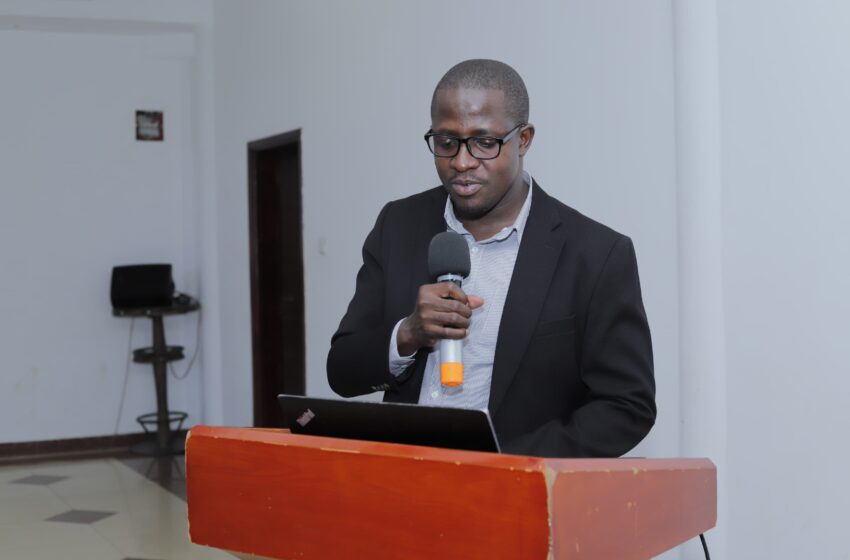
Prof Kajabwangu revealed this during a media Café in “Abortion and Human Rights” organised by the Health Journalists Network in Uganda (HEJNU) at Adit Mall in Mbarara city.
He said that abortion is generally illegal in Uganda and fear of imprisonment leads many to resort to extreme and unsafe practices.
Laws about abortion
Abortion is highly restricted in Uganda. Both the women who seek it out and the doctors who provide it can face criminal prosecution.
Uganda’s constitution says that abortion is illegal unless provided for under the law, but there is no definitive legislation on abortion in the country.
A colonial-era penal code punishes women terminating a pregnancy with seven years in prison and doctors performing the procedure with 14, unless the mother’s life is at risk.
Constitutional Position: Article 22(2) of the 1995 Constitution states, “No person has the right to terminate the life of an unborn child except as may be authorised by law”.
Penal Code Restrictions: Sections 141-143 of the Penal Code Act criminalize “unlawful” abortion, but Section 224 allows for safe abortion to preserve the mother’s life.
Legal Ambiguity & Health Guidelines
While the law is restrictive, the Ministry of Health’s “2006 National Policy Guidelines and Service Standards for Sexual and Reproductive Health and Rights” suggests wider grounds, including rape, incest, or HIV, but these often conflict with the Penal Code, leading to confusion
Activists and civil society organizations continue to advocate for the liberalization of these laws to align with human rights standards.
However, guidelines from the Ministry of Health contradict the penal code by also allowing abortion in cases of foetal anomalies and of rape.
A more comprehensive set of instructions on when an abortion can be performed was issued and then withdrawn by the Ministry of Health in 2017.
Ambiguity and fear of imprisonment mean doctors turn away women looking for care, experts told journalists. The women, influenced by misinformation, then resort to extreme and dangerous measures to rid themselves of unplanned pregnancies.
“The confusion leads to no access whatsoever to the service, because anyone who does it assumes that they’re doing it illegally and could be sent to prison,” explained Prof Kajabwangu.
The Gynaecologist told journalists that government provides post-abortion care to keep in line with international health standards, while at the same time responding to the toll of unsafe abortion in Uganda.
Miscarriage and post-abortion care
It’s important you seek help to reduce the risk of complications from a spontaneous miscarriage or an incomplete abortion.
It’s important you seek help to reduce the risk of complications from a spontaneous miscarriage or an incomplete abortion. Our non-judgmental and expert providers will ensure you receive the care you need.